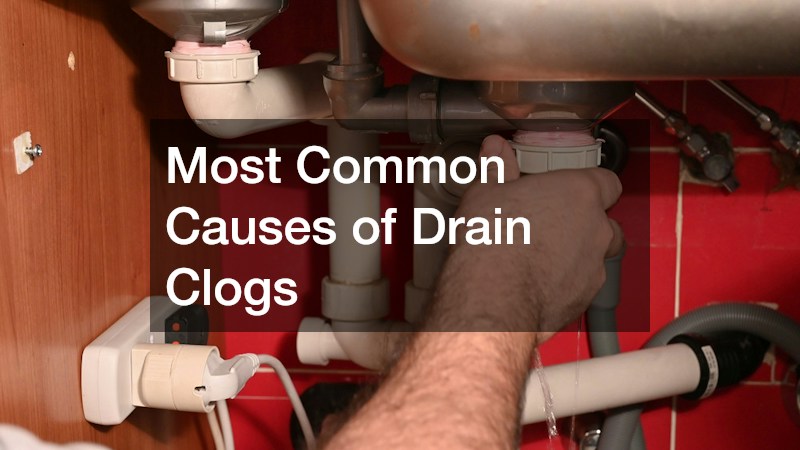

Drain clogs are one of the most frustrating issues a homeowner can face. A slow-draining sink or a backed-up shower can derail your daily routine and potentially cause costly water damage to your property. Understanding why pipes get blocked is the first step toward keeping your plumbing running smoothly. While minor issues can sometimes be cleared with home remedies, major blockages often require professional intervention from an experienced plumbing company. In this comprehensive guide, we will break down the primary culprits behind drainage problems in kitchen sinks, bathroom fixtures, and main sewer lines so you can take preventative action before a total backup occurs.
Indoor Kitchen Hazards
Kitchen sinks handle a massive amount of organic material daily. When foreign substances enter these pipes, they stick to the inner walls and restrict water flow over time.
Fats, Oils, and Grease
Pouring liquid fat down the kitchen sink is a quick recipe for a stubborn clog. Although grease flows freely while warm, it quickly cools and hardens inside your drainage pipes. Over time, these thick fatty deposits trap other passing debris, gradually choking the pipe until water can no longer pass through.
Expandable Food Scraps
Garbage disposals are convenient, but they cannot handle every type of food waste. Items high in starch or fiber—such as rice, pasta, coffee grounds, and potato peels—expand when exposed to moisture. As these scraps swell inside the line, they form dense, paste-like blockages that ordinary water pressure cannot dislodge.
Coffee Grounds and Starchy Waste
Coffee grounds may look fine and harmless, but they do not dissolve in water. Instead, they settle in the curved P-trap underneath your sink. When mixed with leftover cooking oil or soap residue, coffee grounds clump together like wet sand, creating heavy obstructions that require manual removal.
Bathroom Drainage Culprits
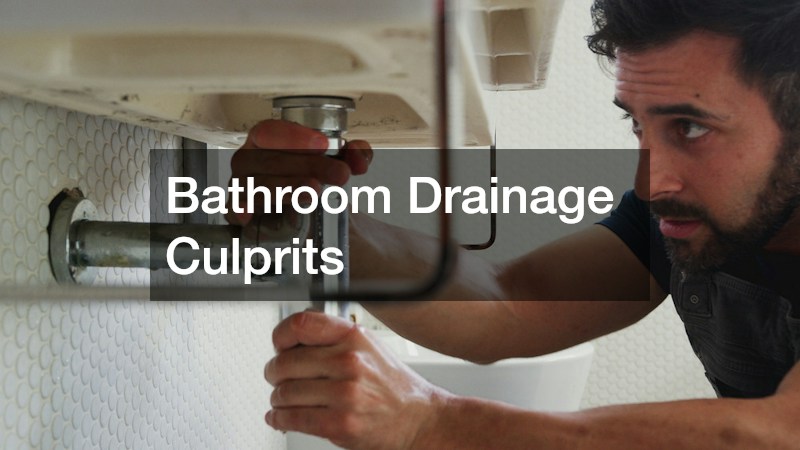
Bathroom fixtures experience constant daily use, making them prime locations for debris accumulation that restricts water drainage.
Hair Accumulation
Hair is undeniably the single most common cause of bathroom drain blockages. Strands shed during showers or morning grooming easily slide down open drains. Once inside the pipe, hair catches on rough edges and snag points, tangling into dense nets that catch all other debris.
Soap Scum Buildup
Traditional bar soaps contain fats and oils that react with minerals in your water supply. This reaction forms a sticky film known as soap scum, which coats the inside of your pipes. Over time, a top plumbing company will find that this sticky residue catches loose hair and skin cells, narrowing the pipe opening until drainage stops completely.
Foreign Objects in Toilets
Toilets are designed to process human waste and standard toilet paper only. Items like flushable wipes, paper towels, facial tissues, and feminine hygiene products do not break down in water. Flushing these items creates immediate, dense blockages in the narrow turns of the toilet trap and main waste pipe.
Underground and Main Line Issues
Some of the most severe drainage problems occur underground, far out of sight, within your primary sewer system.
Tree Root Intrusion
Tree roots naturally grow toward sources of moisture and nutrients in the soil. Tiny hairline cracks in underground sewer pipes release moisture, attracting nearby roots. Once roots enter the pipe, they flourish inside the line, acting as a screen that catches toilet paper and solid waste.
Mineral Scale Accumulation
Homes with hard water deal with high levels of calcium and magnesium flowing through their lines. Over years of continuous use, these minerals deposit onto pipe walls, forming a hard scale. This mineral scaling gradually reduces the inner diameter of the pipe, making it far easier for ordinary waste to cause a total clog.
Aging or Collapsed Pipes
Pipes made from older materials, such as cast iron or clay, deteriorate as decades pass. Corrosion creates rough interior surfaces that catch debris, while structural weakening can cause sections of the line to sag or collapse entirely. A collapsed line physically blocks waste from flowing out to the municipal sewer. Regular inspection of these aging systems can prevent unexpected structural failures before they disrupt your household routine.
Understanding the primary causes of drain clogs helps you take proactive steps to protect your home. From avoiding grease disposal in the kitchen to using drain strainers in the bathroom, simple habits can prevent sudden pipe blockages. However, when severe clogs or underground main line issues arise, relying on a professional plumbing company ensures the job is handled safely and effectively. Scheduled maintenance, rapid attention to slow drains, and smart disposal practices will keep your pipes clear and protect your home for years to come.