
Successful home and yard projects require more than a good idea and a willingness to get started. Whether you’re updating a patio, improving your landscaping, repairing a fence, or changing your home’s plumbing, the right materials, equipment, and professional support can make the work easier to manage. Planning ahead also helps you avoid unnecessary purchases, scheduling problems, and delays.
Before starting a project, consider what the work involves, what resources you’ll need, and whether any tasks require professional help. Compare suppliers, review material specifications, and establish a realistic budget that accounts for delivery, equipment, and maintenance. It is also helpful to consider how each improvement will fit into your property’s existing layout and long-term needs.
Before beginning a project, consider the work involved, the resources you’ll need, and whether any tasks require professional assistance. Compare suppliers, review material specifications, and set a realistic budget that includes delivery, equipment, and maintenance. Think about how each improvement will fit into your property’s existing layout and support your long-term needs. Careful preparation helps you make informed decisions, use resources efficiently, and create functional spaces that complement your home.
Compare Material Quality and Availability Before Starting Stonework

Stone can add durability and visual appeal to patios, walkways, retaining walls, and garden borders. However, different materials have distinct colors, textures, dimensions, and maintenance requirements. Choosing an appropriate option starts with understanding how the finished feature will be used and the conditions it will face.
A limestone supplier can help you compare available materials and determine which options suit your project. Ask about stone grades, finishes, sizing, and sourcing before placing an order. If possible, request samples so you can see how the material looks alongside your home’s exterior and existing landscaping.
Before purchasing, consider:
- Project requirements: Determine whether the stone will be used for paving, decorative features, or structural applications.
- Material consistency: Ask about color variations, dimensions, and available finishes.
- Delivery arrangements: Confirm transportation costs, scheduling, and unloading requirements.
- Quantity estimates: Account for cutting, fitting, and potential material waste.
Careful comparisons can help you select materials that meet both your design goals and practical requirements.
Add Decorative Features That Make Outdoor Spaces More Inviting
Decorative features can give a garden, courtyard, or patio a more distinctive appearance. A well-placed focal point can bring different landscape elements together while creating an attractive setting for relaxation and outdoor gatherings. When choosing an addition, consider the proportions of the space and how the feature will complement existing plants, pathways, and furniture.
Cast stone water fountains can provide a traditional or contemporary focal point, depending on their design. Before selecting one, evaluate its dimensions, weight, water requirements, and placement. A large fountain may suit an expansive garden, while a smaller design may work better in a compact courtyard.
Keep these considerations in mind:
- Measure the installation area before selecting a model.
- Confirm that the surface can support the fountain’s weight.
- Plan access to water and any necessary electrical connections.
- Consider drainage and routine cleaning requirements.
- Ask about pump maintenance and seasonal care.
Proper planning helps prevent installation difficulties and makes it easier to maintain the feature after the project is complete.
Maintain Trees and Landscaping Before Expanding Your Yard
Existing trees and vegetation should be considered before making significant changes to a yard. Overgrown branches may interfere with roofs, walkways, outdoor structures, and planned improvements. Evaluating the landscape early can help you identify potential obstacles and determine which areas need attention.
Tree trimming may be appropriate for addressing dead, damaged, or overgrown branches. However, the correct approach depends on the tree’s condition, size, and location. Homeowners should consult qualified professionals for work involving large trees, elevated branches, or areas near utility lines.
Before beginning landscaping work, consider:
- Whether branches extend over roofs, driveways, or structures.
- If trees could interfere with planned construction.
- Whether damaged limbs require professional assessment.
- How the timing of maintenance may affect the surrounding landscape.
- Whether local rules apply to the work.
Include routine tree care in your property maintenance schedule. Addressing potential problems before installing new features can help protect your investment and create a safer, more manageable outdoor space.
Improve Household Water Quality Before Renovating Plumbing

Plumbing upgrades can improve how a home functions, but homeowners should identify their water concerns before choosing equipment. Different filtration systems address different issues, so selecting one without understanding the household’s needs may lead to unnecessary expenses or disappointing results.
A whole house water filter is designed to treat water entering multiple fixtures and appliances. Before purchasing a system, consider having the water evaluated and reviewing the manufacturer’s information about which contaminants the equipment is designed to reduce. The appropriate system will depend on water quality, household usage, and plumbing compatibility.
Compare options by asking:
- Which contaminants does the system address?
- What flow rate and household capacity does it support?
- How frequently do filters need replacement?
- What are the ongoing maintenance costs?
- Does installation require plumbing modifications?
A qualified plumbing professional can help assess compatibility and installation requirements. Review replacement schedules and operating instructions, too, so you understand the system’s long-term upkeep before committing to a particular model.
Prepare Outdoor Gathering Areas With the Right Event Equipment
Home improvement projects sometimes create opportunities to celebrate a finished renovation or bring relatives and neighbors together. If you plan to host an outdoor gathering, temporary equipment can help make the space more comfortable without requiring permanent construction.
A tent rental service may provide shelter for guests during birthdays, neighborhood events, or project celebrations. Choose a tent based on the available space, expected attendance, and weather conditions. Confirm that the setup will not block entrances, driveways, or emergency access routes.
Before making arrangements, ask about:
- Tent dimensions and recommended guest capacity.
- Delivery, installation, and removal responsibilities.
- Anchoring requirements for your property’s surface.
- Weather policies and available sidewalls.
- Additional seating, lighting, or accessories.
Check local requirements before setting up temporary structures, especially when using shared or restricted spaces. A clear layout can also improve guest movement and keep food, seating, and activity areas organized. Confirm all arrangements well ahead of the event to avoid last-minute scheduling problems.
Plan Convenient Food and Beverage Arrangements for Outdoor Projects
Refreshments are an important consideration when hosting a large gathering or coordinating a lengthy outdoor project. Whether you’re celebrating a completed renovation or inviting relatives to help with a yard improvement, planning food and beverages ahead of time can make the occasion more comfortable.
Ice machine rentals may be useful when you need a temporary supply of ice for drinks, food stations, or a larger event. Before arranging a rental, estimate demand based on the number of guests, event duration, and types of refreshments being served. Then check whether the equipment is suitable for the available setup.
Confirm the following details:
- Production capacity and available storage.
- Delivery, setup, and collection arrangements.
- Electrical and water connection requirements.
- Cleaning instructions and operating procedures.
- Rental duration and any additional fees.
Plan where the machine will be placed so guests and workers can access refreshments without obstructing walkways. You should also arrange appropriate food storage and handling. Booking early can help secure suitable equipment during busy event periods.
Rent Specialized Tools Instead of Buying Every Piece of Equipment
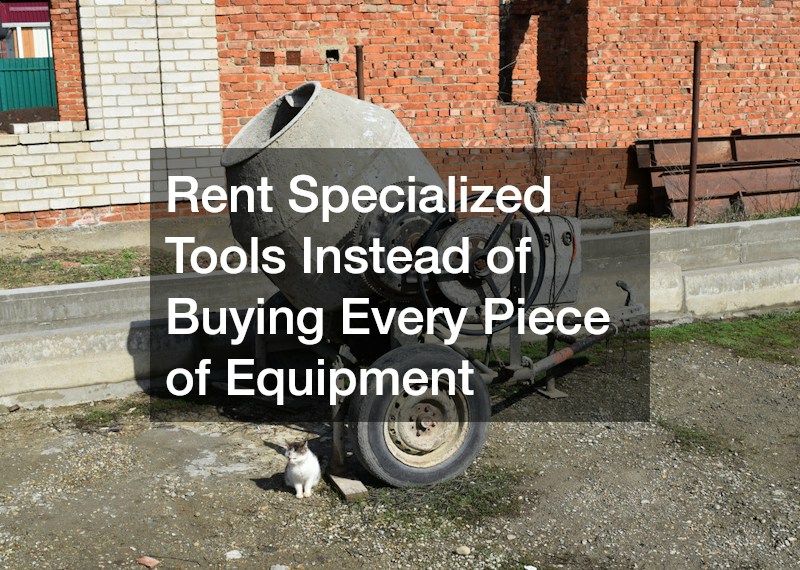
Some home and yard projects require tools that homeowners may only need once or twice. Purchasing expensive equipment for occasional use can create unnecessary costs, particularly when the item also requires storage, maintenance, and transportation.
A local equipment rental provider may offer access to specialized tools and machinery for landscaping, construction, demolition, and property maintenance. Before renting, identify the tasks you need to complete and compare equipment specifications. Choosing a machine that is too large or unsuitable for the site can create additional difficulties.
When comparing rental options, ask about:
- Equipment dimensions and operating requirements.
- Rental periods, extensions, and late fees.
- Delivery and collection arrangements.
- Safety instructions and available training.
- Maintenance responsibilities during the rental.
Consider your own experience before operating unfamiliar machinery. Some equipment requires professional training or an experienced operator. Compare the total rental expense with the cost of purchasing and maintaining the equipment to determine which option makes more sense for your project.
Choose Reliable Wood Materials for Repairs and Outdoor Construction
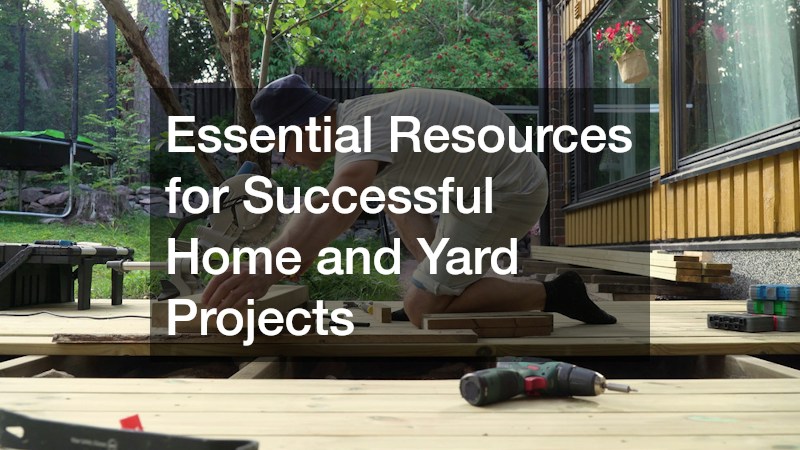
Wood is used in many home improvement projects, including decks, fences, pergolas, raised garden beds, and outdoor furniture. Selecting appropriate lumber is important because different species, grades, and treatments have different characteristics. Consider where the material will be installed and how much exposure it will have to moisture and changing weather.
A wholesale wood supplier may offer a range of lumber options and quantities for larger projects. Ask about available species, dimensions, grades, treatment, and delivery arrangements. You should also confirm whether the supplier can provide the amount you need within your project timeline.
Before ordering, consider:
- Intended application: Select materials suitable for structural or decorative use.
- Environmental exposure: Check whether the wood is appropriate for outdoor conditions.
- Quantity: Measure carefully and allow for cutting waste.
- Storage: Arrange a dry, level location to protect materials before installation.
Inspect lumber when it arrives and report visible damage or discrepancies promptly. Proper selection and storage can help prevent avoidable material waste and installation problems.
Gather Property Maintenance Supplies Before Starting Yard Work
Landscaping and property maintenance often involve more than plants and basic gardening tools. Depending on the size of your yard, you may need soil amendments, irrigation components, fencing materials, protective equipment, and supplies for maintaining outdoor growing areas.
A farming supply resource may help homeowners find products for larger gardens, small-scale growing projects, and general land maintenance. Start by identifying the work you plan to complete and making a list of the materials required. This helps you avoid buying products that are unsuitable for your property’s conditions.
Consider organizing your supply list into categories:
- Growing materials: Soil, compost, mulch, and other appropriate amendments.
- Watering equipment: Hoses, irrigation components, and watering tools.
- Property supplies: Fencing materials and general maintenance products.
- Safety items: Gloves, protective clothing, and suitable storage containers.
Review product instructions before use, particularly when selecting treatments or materials for plants and soil. Organize supplies by project and store them according to manufacturer recommendations. This makes future maintenance easier and helps prevent unnecessary purchases.
Build a Dependable Network of Suppliers for Future Projects

Having reliable sources for tools, fasteners, replacement parts, and building materials can make future home improvements easier to manage. Instead of searching for new providers every time something needs repair, identify suppliers with appropriate inventory, knowledgeable staff, and convenient purchasing arrangements.
A hardware supplier can help homeowners find materials for routine repairs, installations, and smaller renovation tasks. Compare providers based on product availability, pricing, return policies, delivery options, and the ability to source less common items.
To build a useful supplier network:
- Keep a record of materials and products used in previous projects.
- Ask about special orders when standard inventory is insufficient.
- Confirm product compatibility before purchasing replacement parts.
- Review return and exchange policies.
- Save contact information for suppliers with dependable service.
It is also helpful to maintain a basic inventory of frequently used items, such as screws, nails, sealants, and common repair supplies. Check what you already own before shopping to avoid duplicate purchases. Organized records and dependable supplier relationships can save time as your property’s maintenance needs change.
Successful home and yard projects depend on thoughtful preparation, suitable materials, and access to the right equipment. Whether you’re improving a garden, updating plumbing, building an outdoor structure, or maintaining existing features, understanding your requirements before starting can help you make better decisions.
Take time to compare suppliers, review product specifications, estimate quantities, and confirm delivery schedules. Consider the long-term maintenance needs of each improvement rather than focusing only on its initial appearance or cost. For specialized tasks involving structural work, plumbing, tree maintenance, or heavy equipment, seek qualified professional guidance.
It is also useful to keep project records and maintain relationships with dependable suppliers. Having this information available can make future repairs and upgrades easier to plan. With organized resources and realistic expectations, you can approach each project more efficiently and create a home and outdoor environment that remains functional and attractive over time.